Guide to wedding flowers at Harlequin Theatre Redhill
Posted on 04/10/2026
Planning wedding flowers for Harlequin Theatre Redhill can feel wonderfully exciting, and a bit full-on if you're trying to balance venue style, timing, budget, and what will actually look good in the room. The good news? With the right approach, your flowers can do more than "decorate" the day. They can soften the space, guide the eye, flatter your photos, and make the whole ceremony feel properly yours.
This Guide to wedding flowers at Harlequin Theatre Redhill walks you through the choices that matter most: how to match flowers to the venue, what to order first, what to avoid, and how to keep the look polished without overcomplicating things. You'll also find practical examples, a simple checklist, and advice for deciding between bouquets, buttonholes, centrepieces, and ceremony flowers. Let's make the floral side feel manageable, not mysterious.
Why Guide to wedding flowers at Harlequin Theatre Redhill Matters
Wedding flowers are never just "extra". At a venue like Harlequin Theatre Redhill, they help shape the mood the moment guests arrive. A theatre setting tends to have its own character already, so the floral design has to work with the space rather than fight it. That's where a good plan makes all the difference.
Flowers matter because they influence three things at once: how the venue feels in person, how it photographs, and how smoothly the day runs. A bouquet that suits the bride's dress but clashes with the colour palette can throw the whole look off. Likewise, arrangements that are too tall, too busy, or too fragile can create avoidable awkwardness on the day. It sounds small. It rarely is.
For couples planning a ceremony or reception in Redhill, the local context matters too. Travel times, setup windows, and the practical reality of moving flowers into a venue all shape the final result. You don't want a design that only works in theory. You want something that survives the journey, settles well on arrival, and still looks fresh when the doors open.
In our experience, the couples who feel happiest with their wedding flowers are usually the ones who treat florals as part of the venue design, not an afterthought. That single mindset shift changes everything.
How Guide to wedding flowers at Harlequin Theatre Redhill Works
At a practical level, wedding flower planning is a sequence of decisions. First comes the overall style. Then the key pieces. Then the detail work. If you skip around, costs can drift and the look can become slightly muddled. Not disastrous, just... a bit all over the place.
For Harlequin Theatre Redhill, start with the elements that matter most to the ceremony itself. For many couples, that means:
- the bridal bouquet
- bridesmaid bouquets
- buttonholes or boutonnieres
- ceremony flowers for focal points
- table arrangements if there's a reception nearby
- small floral touches for photos, gifts, or entrances
The venue setting should guide scale. A theatre-style space often benefits from arrangements that are intentional and elegant rather than overly sprawling. Strong shapes tend to read better from a distance, while softer textures can make photos feel romantic up close. Think of it like styling a room for a performance: every detail is visible, so clutter shows quickly.
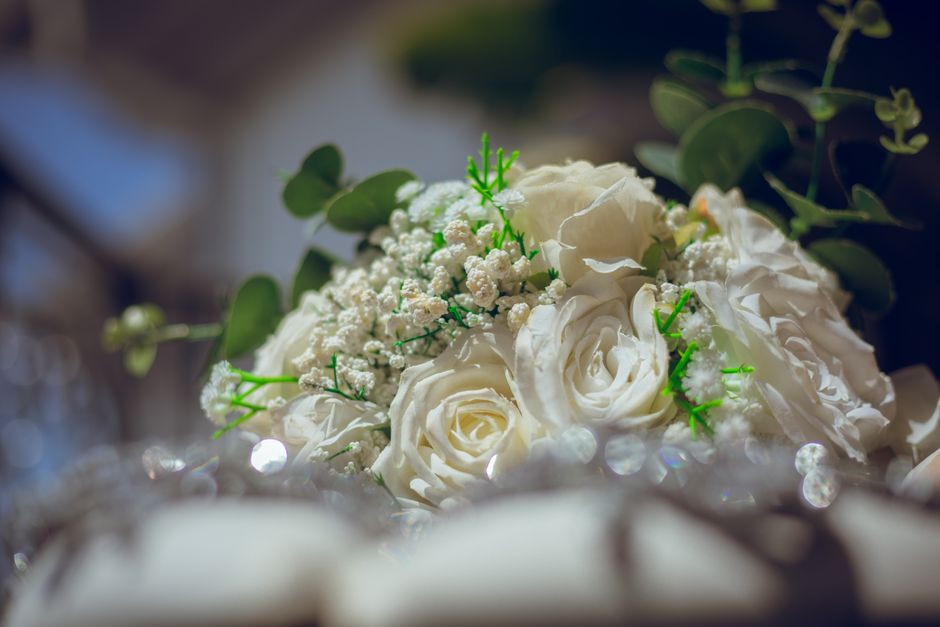
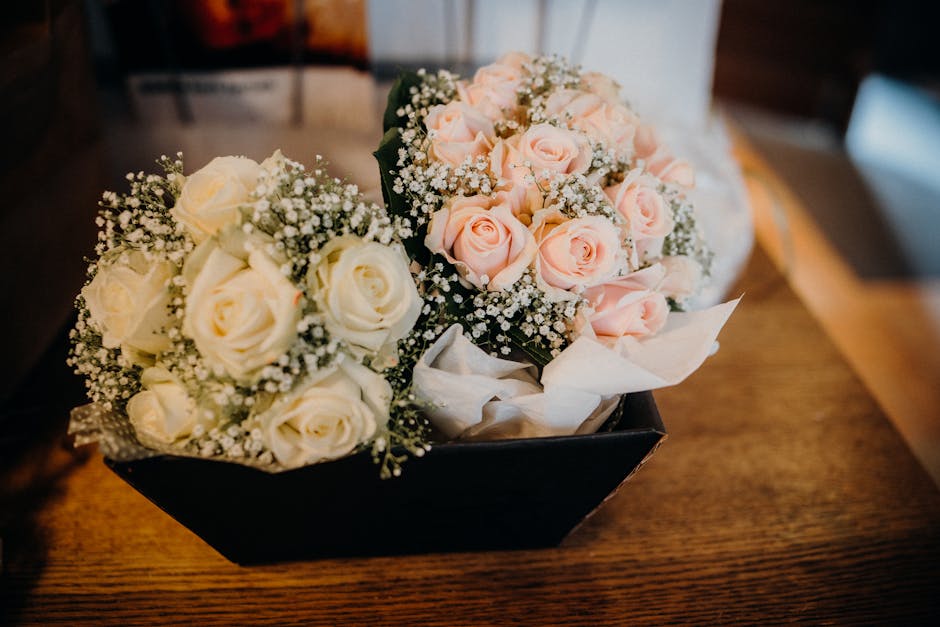
One useful way to approach it is to choose a "hero flower" or a simple colour family, then build the rest around that. For example, white roses with soft greenery feel classic and clean; blush tones feel gentle and romantic; deeper reds or purples can add richness and contrast. If you prefer a more natural look, mixed seasonal blooms can work beautifully too, provided the palette stays coherent.
If you want to browse wedding-focused options, it can help to look at the dedicated wedding collection and then narrow your selections by bouquet type, buttonholes, or table arrangements. For bridal bouquets specifically, the bridal bouquet range gives a clearer starting point than a general flower list.
Key Benefits and Practical Advantages
Good wedding flowers do more than look pretty. They solve problems. That's the bit people sometimes miss when they're scrolling through inspiration boards at midnight.
- They unify the visual theme. Florals connect dress, decor, stationery, and venue styling into one story.
- They improve photography. Bouquets and arrangements add depth, colour, and texture in group shots and close-ups.
- They help the venue feel personal. A theatre space can be transformed from "nice venue" to "our wedding".
- They support the ceremony flow. The right arrangements guide guests' attention where you want it.
- They can be scaled to budget. A thoughtful selection often beats a large but unstructured floral spend.
- They create keepsakes. Some flowers can be repurposed after the ceremony, depending on condition and season.
There's also a quieter benefit: confidence. When the florals are sorted, people relax. You notice this on the day. The room feels ready, the photos feel calmer, and the couple can focus on the moment rather than wondering whether the flowers arrived on time.
If you're comparing styles, one smart move is to use structured arrangements for the main spaces and softer pieces for the personal flowers. That balance tends to feel polished without becoming too formal.
Who This Is For and When It Makes Sense
This guide is for couples planning a wedding at Harlequin Theatre Redhill, but it's also useful for family members helping with the arrangements, wedding planners coordinating the day, and anyone who has unexpectedly become "the flower person" because they were the calm one in the room. You know how that goes.
It makes sense to focus on wedding flowers early if:
- your venue has a strong style or unusual layout
- you want the ceremony and reception to feel coordinated
- you care about photos and colour harmony
- you need to manage a specific budget
- you're choosing between seasonal flowers and a more formal look
- you want to reuse arrangements between different parts of the day
It also makes sense if you're planning something smaller. Intimate weddings often benefit most from carefully chosen flowers because every arrangement gets noticed. A small bouquet, a few elegant table pieces, and well-placed buttonholes can carry a lot of atmosphere.
On the other hand, if your wedding is very large or highly styled, the flowers become part of a wider design system. In that case, the right florist will usually help you think in zones: entrance, ceremony focal point, aisle, couple's table, guest tables, and gift/display areas.
Step-by-Step Guidance
1. Start with the venue and timing
Before you choose blooms, work out what the venue allows, what the set-up window looks like, and how much handling the flowers will need. Wedding flowers are living things, after all. They're beautiful, but they don't love being left in a hot car for too long. A slightly dull-sounding tip, maybe, but it saves a lot of stress.
2. Pick the core style
Decide whether you want classic, romantic, modern, natural, luxe, or seasonal. You can mix styles a little, but one main direction keeps everything coherent. For example, a modern look might use clean shapes and fewer colours, while a romantic look leans into softer petals, fuller bouquets, and layered texture.
3. Choose the colour palette
Look at the dress, suits, venue tones, and any decor elements already planned. Then settle on a palette that supports all of them. White and green is a safe classic. Blush and ivory is soft and forgiving. Bold jewel tones can feel dramatic and memorable if the venue suits them.
4. Build the bouquet hierarchy
The bridal bouquet usually leads the design. Bridesmaid bouquets should complement, not compete. Buttonholes and corsages should echo the same palette in a simpler form. That hierarchy matters because it keeps the couple visually central.
5. Add ceremony flowers
Think about where the eye naturally lands when people enter the room. That might be the front of the aisle, the ceremony table, or a feature backdrop. One or two well-placed arrangements are often better than scattering small items everywhere.
6. Plan table and reception arrangements
If your reception is nearby or in the same venue, table arrangements should fit the scale of the room. Tall arrangements create drama; low arrangements encourage conversation; mixed-height pieces can work if carefully balanced. There's no one correct answer, despite what social media likes to suggest.
7. Confirm delivery, setup, and collection
Do not leave this vague. Be clear about when the flowers need to arrive, who is receiving them, and whether anything must be moved after the ceremony. If flowers are being reused from the ceremony to the reception, make sure someone is assigned to that task. Otherwise it becomes a game of floral musical chairs.
8. Review substitutions
Seasonal availability changes, especially for certain focal flowers. Ask what substitutions are acceptable if a stem is unavailable. A good florist will keep the overall look intact even if one flower variety changes.
Expert Tips for Better Results
Here's the part where practical experience really helps. The nicest wedding flowers are rarely the ones with the most stems. They're the ones with the clearest intention.
Tip 1: Choose one strong focal point. If everything is trying to stand out, nothing does. Let the bridal bouquet or ceremony flowers carry the visual weight.
Tip 2: Use texture, not just colour. Roses, lilies, orchids, lisianthus, alstroemeria, and chrysanthemums all behave differently in a design. Texture gives depth even if the palette is simple.
Tip 3: Think about the room from a guest's eye level. Some designs look fabulous from above and a bit awkward when you're sitting beside them. Guests notice that more than people expect.
Tip 4: Keep the bouquet comfortable to hold. If it's too heavy, the bridal party will feel it by halfway through the day. A bouquet should feel elegant, not like a workout.
Tip 5: Ask for a plan that suits the season. Seasonal flowers often look fresher and sit more naturally in the British calendar. In a winter wedding, a rich palette can feel more grounded; in summer, lighter tones and airy shapes often work beautifully.
Tip 6: Build in flexibility. Weather, transport, and timing can affect freshness. The best wedding flower plans allow for small adjustments without ruining the look.
If you're after inspiration, product collections like White Wonders Wedding Collection and True Happiness Wedding Collection can help you see how a single theme runs across bridal and bridesmaid pieces. That makes decision-making a lot easier, honestly.

Common Mistakes to Avoid
Most floral regrets are avoidable. Not all, but most.
- Ordering too late. Popular wedding dates fill up quickly, and seasonality narrows choices.
- Choosing blooms only from photos. A flower can look lovely online and still be a poor fit for a bouquet size, venue light, or budget.
- Ignoring venue scale. Oversized arrangements can overwhelm a smaller room; tiny arrangements can disappear in a larger setting.
- Mixing too many colours. Unless you are deliberately going for a maximalist style, too many tones can look busy.
- Forgetting the practical pieces. Buttonholes, corsages, and table arrangements matter more than people think.
- Not assigning transport or handover. If nobody knows who's doing what, flowers end up waiting at the wrong door.
- Skipping care instructions. Bouquets and arrangements need a bit of attention before the ceremony, especially on warmer days.
One small but common issue: couples spend ages on the bouquet and then leave the reception tables to chance. A small mismatch there can weaken the whole design. You do not need identical flowers everywhere, but the family resemblance should be clear.
Tools, Resources and Recommendations
There's no need to overcomplicate things, but a few simple tools make planning easier.
- Inspiration boards: Useful for narrowing colour, shape, and flower preferences.
- Venue notes: Keep a written list of delivery times, access points, table counts, and setup constraints.
- Budget split: Divide spend into bridal flowers, ceremony flowers, reception flowers, and extras.
- Flower care instructions: Make sure someone knows how to store and handle arrangements on the day.
- Style reference photos: A picture is helpful, but a few words describing what you like and dislike can be even more useful.
If you're browsing the broader range, local florist options in Redhill and the full flower delivery service can be useful for understanding what can realistically be delivered and when. For urgent planning, the same-day flower delivery page is handy, though wedding orders are best arranged well in advance rather than left to luck.
For care after delivery, a basic flower care guide is worth following. Fresh stems need water, shade, and a bit of breathing room. Nothing glamorous there, just good sense.
Law, Compliance, Standards, or Best Practice
Wedding flower planning is not usually a heavily regulated area, but best practice still matters. If flowers are being delivered to a venue, confirm access details clearly and allow enough time for setup. If you're using candles, loose petals, or decorative materials alongside floral displays, check venue rules in advance. The venue's own policies should always take priority over inspiration images.
For food-adjacent areas, display tables, or public circulation spaces, keep arrangements secure and stable. A tipped vase or loose wiring is more than annoying; it can become a safety issue. That's especially relevant in busy spaces where guests move quickly between ceremony and reception areas.
If the flowers include scent-heavy blooms, consider guests who may be sensitive to strong fragrance. This is not about removing all personality from the design. It's about making the room comfortable for everyone, which is quietly good hosting.
It's also sensible to ask about sustainability. Using seasonal stems, reducing floral foam where possible, and planning waste thoughtfully are all normal, responsible choices. You can read more about the florist's broader approach through the sustainability page and the company's general about us information if you want a better sense of how orders are handled.
Payment, delivery, and any cancellation or substitution terms should be understood before you confirm the order. That's not being fussy. It's just sensible, especially for a one-off event where timing really matters.
Options, Methods, or Comparison Table
If you're unsure how to balance beauty, budget, and logistics, it helps to compare the most common wedding flower approaches side by side.
| Option | Best for | Strengths | Things to watch |
|---|---|---|---|
| Bridal bouquet only | Small, simple weddings | Clear focus, easier budget control, elegant photos | Can feel incomplete if no other flowers are used |
| Full bridal party set | Traditional weddings | Coordinated look, polished ceremony photos | More pieces to manage and transport |
| Ceremony focal arrangements | Venue styling | Big visual impact, frames the couple well | Needs good placement and setup planning |
| Table arrangements | Reception styling | Creates atmosphere, supports guest experience | Can interfere with conversation if too tall or wide |
| Mix of personal and venue flowers | Balanced approach | Feels thoughtful without over-ordering | Needs clear priorities so the spend is not spread too thin |
If your venue is doing a lot of the visual work already, a lighter floral approach may be enough. If the room is quite neutral, you may need more structure from the flowers. The right answer is usually somewhere in the middle.
Case Study or Real-World Example
Imagine a couple holding a late-summer wedding at Harlequin Theatre Redhill. They want something romantic, not overly formal, and they're wary of spending too much on decor they can't reuse. Fair enough.
They choose a white-and-blush palette with greenery for softness. The bridal bouquet is the main statement piece, with smaller bridesmaid bouquets to keep the colour thread running through the ceremony. Buttonholes are kept simple and tidy. Instead of spreading flowers thinly across every available surface, they focus on one strong ceremony arrangement and a few table pieces for the reception.
The result is calm and coherent. Guests notice the bouquet immediately, the room feels dressed but not crowded, and the photos don't look overworked. The couple also asks for flowers that can be moved from the ceremony to the reception, which saves money and keeps the design consistent. That small planning choice makes a surprising difference.
Truth be told, this is often the smartest route: fewer pieces, better placed, better finished. It photographs well and it feels intentional in the room. And yes, the bride still gets the dreamy bouquet moment. Very important.
Practical Checklist
Use this checklist before finalising wedding flowers for Harlequin Theatre Redhill.
- Confirm the ceremony and reception layout
- Check the venue access and delivery timing
- Choose the main floral style
- Set the colour palette
- Decide on bridal bouquet size and shape
- Choose bridesmaid bouquets and buttonholes
- Plan any ceremony focal arrangements
- Decide if table flowers are needed
- Confirm which flowers can be reused later in the day
- Ask about substitutions for seasonal availability
- Review care instructions for the day itself
- Check payment and confirmation details
- Make sure someone is responsible for receiving the flowers
Expert summary: The most successful wedding flower plans are usually clear, seasonal, and venue-aware. Keep the design focused, choose a palette that suits the room, and make sure the logistics are as well planned as the bouquet itself.
Conclusion
Wedding flowers at Harlequin Theatre Redhill should feel like part of the day's atmosphere, not a separate project you're scrambling to manage at the last minute. Once you've chosen the style, the core flowers, and the practical details, the rest becomes far easier. That is really the trick: keep it focused, keep it realistic, and let the venue guide the design.
If you want the look to feel calm, elegant, and properly suited to the setting, start with the essentials and build from there. A strong bouquet, a sensible palette, and a few well-placed arrangements usually beat a complicated plan that is hard to deliver on the day. Simple can still feel luxurious. Often does, actually.
Get a free quote today and see how much you can save.
And if you're still weighing things up, that's fine too. A good floral plan should leave you feeling reassured, not rushed. The right flowers have a way of making the whole day breathe a little easier.
Frequently Asked Questions
What flowers work best for a wedding at Harlequin Theatre Redhill?
Classic choices like roses, lilies, orchids, lisianthus, and alstroemeria often work well because they photograph beautifully and can be styled in both simple and formal ways. Seasonal flowers are also a strong option if you want a more natural feel.
How far in advance should I book wedding flowers?
As early as possible is best, especially if your date falls in peak wedding season. Even if you are still refining the design, booking early helps secure availability and gives you time to adjust the details calmly.
Can I keep the wedding flowers simple and still make an impact?
Absolutely. A well-chosen bouquet, a few buttonholes, and one or two focal arrangements can create a polished look without over-ordering. Simpler designs often feel more elegant than crowded ones.
Should my bridesmaid bouquets match the bridal bouquet exactly?
Not exactly. They should complement the bridal bouquet rather than copy it. Usually that means a smaller size, a slightly simplified shape, or a lighter version of the same colour palette.
What if the flowers I want are out of season?
A good florist can usually suggest alternatives that keep the same style and mood. The look matters more than one specific stem, so flexibility here is very useful.
Do I need table flowers if the ceremony already has arrangements?
Not necessarily, but reception flowers help carry the theme through the whole day. If your budget is tight, even a few small table pieces can make the space feel finished.
How do I make sure my flowers suit the venue?
Share details about the room layout, lighting, and overall style. Theatre spaces often benefit from arrangements with clear shape and good structure, rather than designs that are too sprawling or delicate.
Can wedding flowers be reused during the day?
Yes, often they can. Ceremony flowers may be moved to the reception, and buttonholes or corsages can remain with the wedding party all day. Reuse needs planning, though, so it's best to confirm the handover in advance.
Are scented flowers a good idea for a wedding venue?
Sometimes, yes. But if a venue is enclosed or guests are sensitive to fragrance, stronger scents may be less comfortable. A balanced mix of lightly scented and low-scent flowers is usually safest.
What should I bring when discussing wedding flowers with a florist?
Bring your venue name, date, guest count, colour ideas, dress inspiration, and any photos you like or dislike. Even a few honest notes about what you don't want can help enormously.
How can I keep wedding flower costs under control?
Choose a clear palette, focus on the most visible pieces first, and avoid spreading the budget too thinly. Seasonal flowers and reusable arrangements can also help keep costs sensible without making the design feel sparse.
What is the biggest mistake couples make with wedding flowers?
Probably leaving key decisions too late. Once the style, budget, and delivery plan are clear, everything else becomes easier. Delay tends to create pressure, and flowers are one part of the day that really benefits from calm planning.